Structured 12.66 km Exercise on an Undulating Route
A structured 12.66 km exercise on an undulating route, combining walking, jogging and running with four repeated running kilometres between 4:45 and 4:47/km.

A structured 12.66 km exercise on an undulating route, combining walking, jogging and running with four repeated running kilometres between 4:45 and 4:47/km.
What can three consecutive runs over the same demanding 5K course tell you about fitness? The Telford parkrun provides an interesting example of how repetition can improve pacing, confidence and performance.
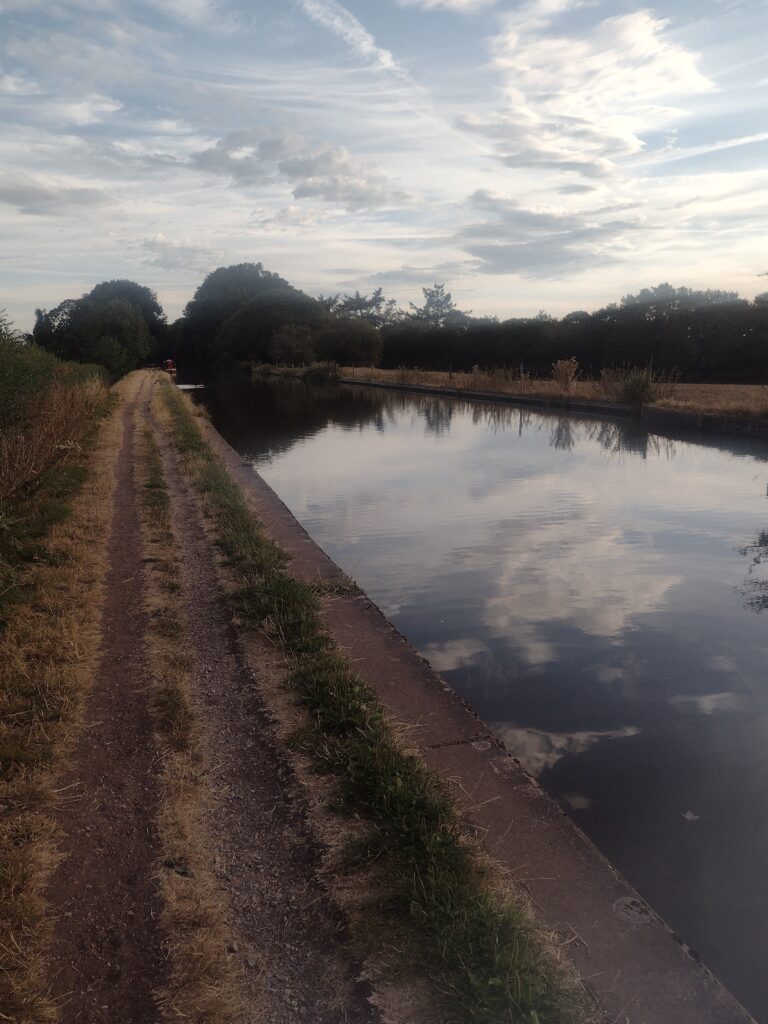
An 8km walk at 9:05/km with an average heart rate of 120 bpm shows that walking can be much more than gentle exercise. A controlled, sustained pace can provide a substantial aerobic workout.
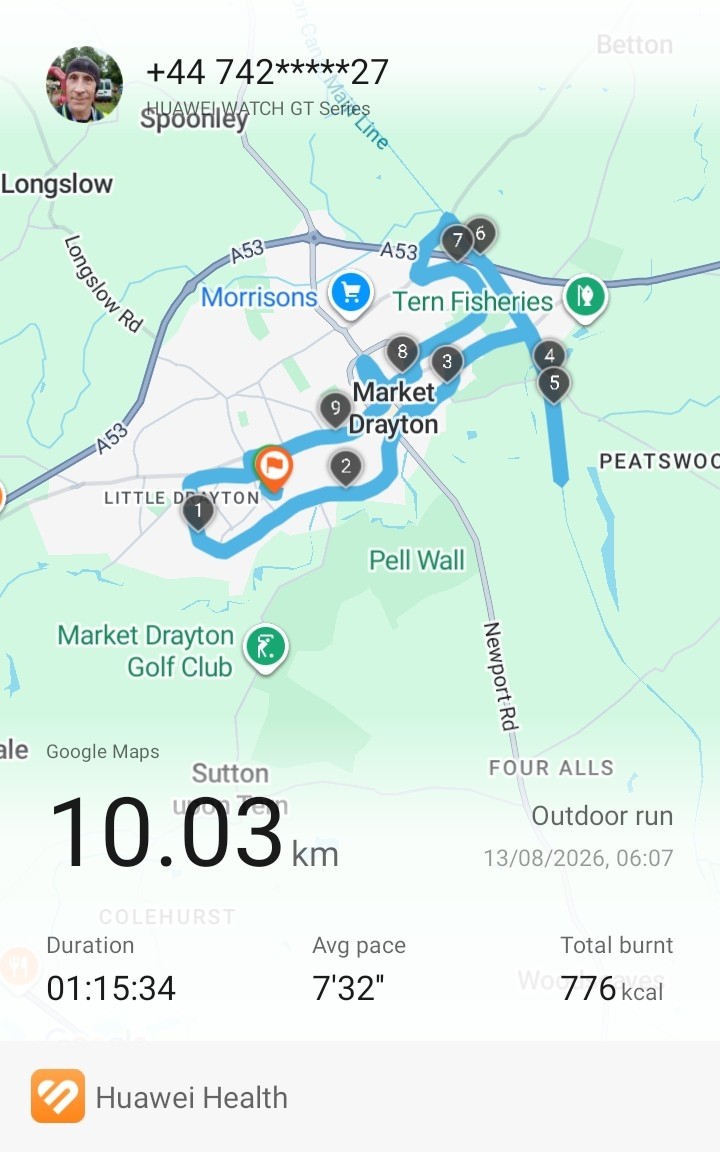
A 10km walk-run workout with progressively faster running efforts got me thinking about racehorse training. The walking recovery isn’t wasted time — it’s part of the workout.
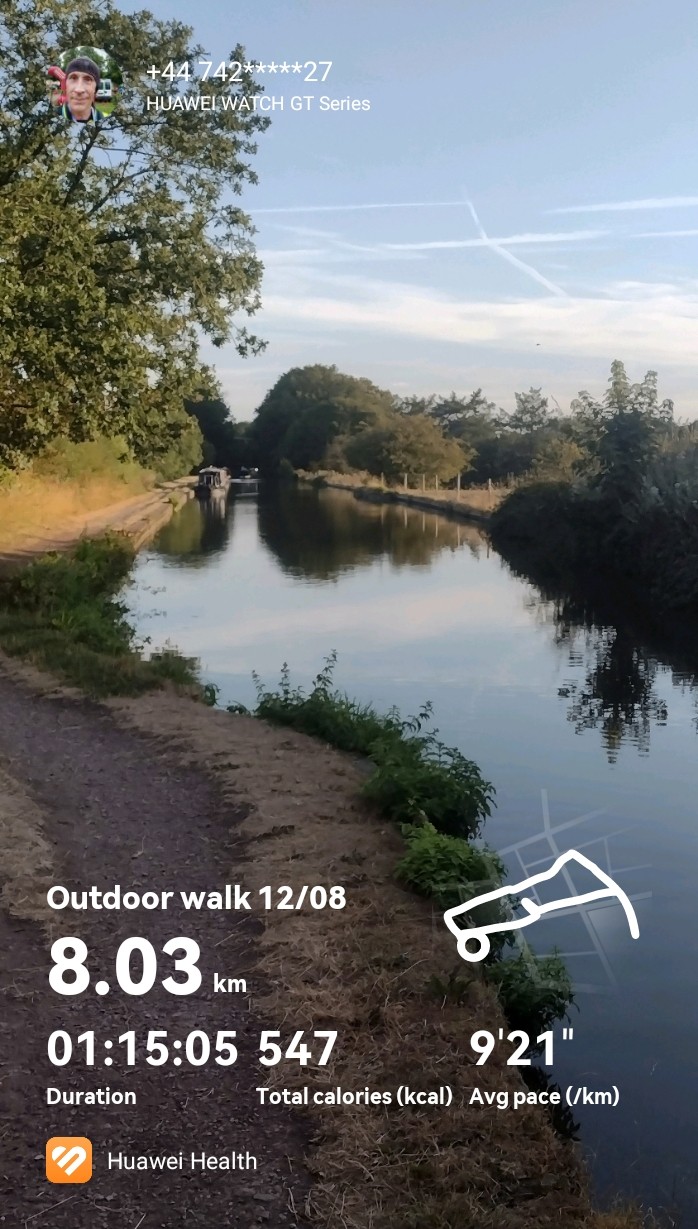
This morning’s 8.03 km walk took 1 hour and 15 minutes at an average pace of 9:21/km. With an average heart rate of 118 bpm and 547 calories burned, it was a controlled aerobic endurance session.
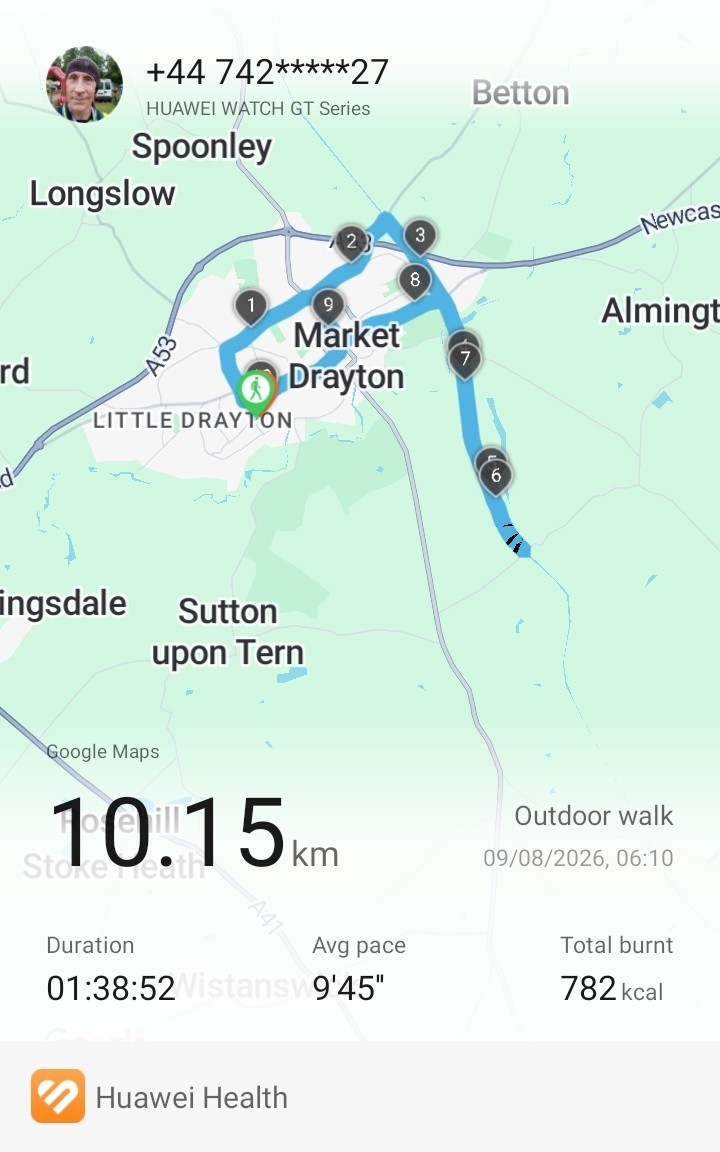
A strong 10.15 km morning walk covering almost 99 minutes, with a steady 9:45/km pace, an average heart rate of 109 bpm and 782 calories burned.
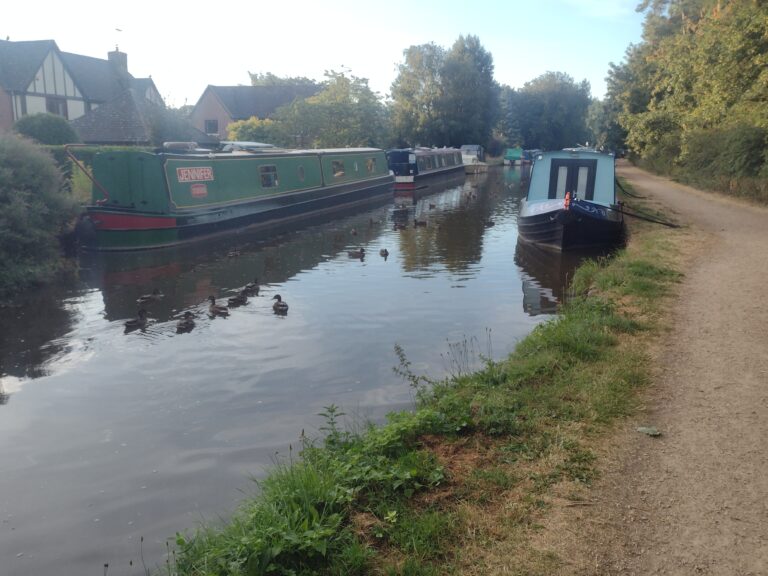
A solid 7.95 km morning walk covering more than 77 minutes, with a steady 9:46/km pace and 604 calories burned.
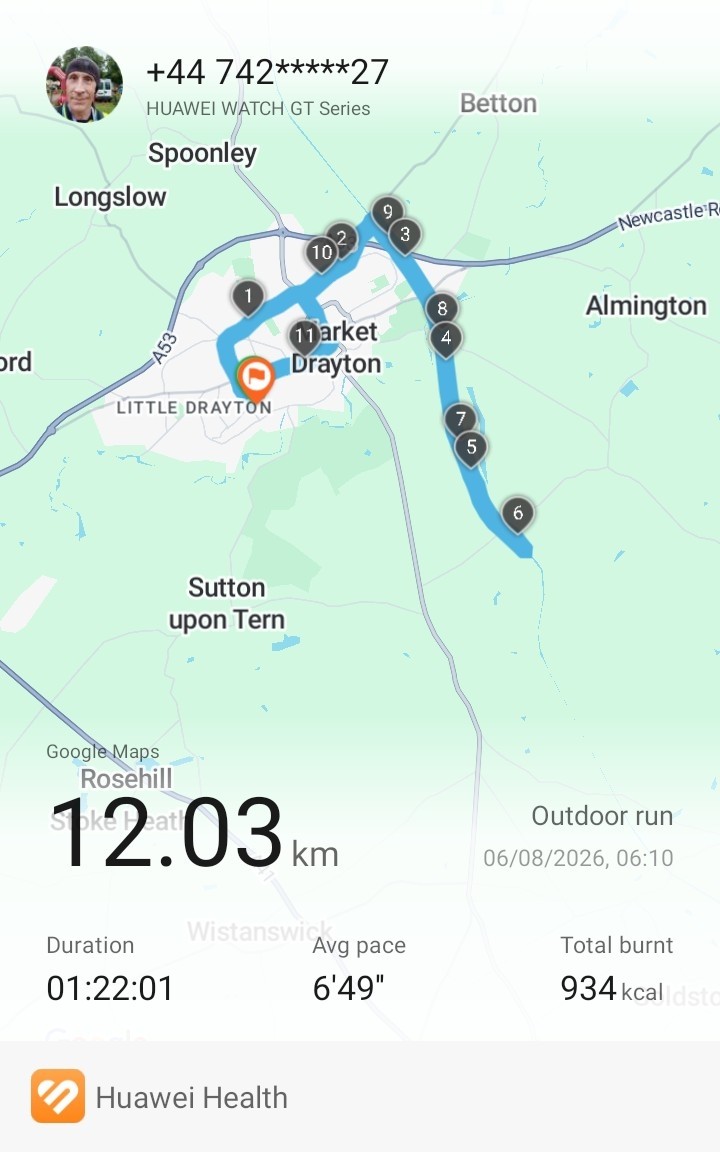
This morning’s workout covered 12.03 km using a mix of walking, jogging and running. With a 6:49/km average pace and 934 calories burned, it was a serious endurance session.
A solid 7.93 km morning walk covering fitness, endurance, pace, heart rate and calories burned. A great way to start the day with some steady cardio.
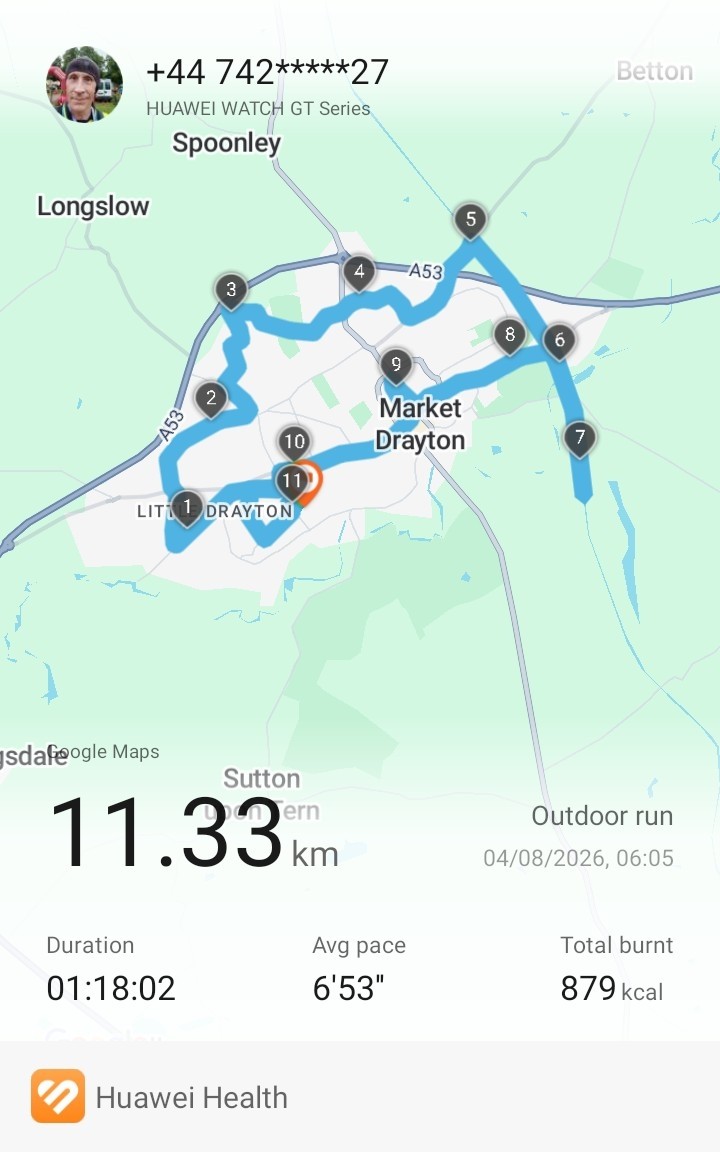
An analysis of an 11.33 km walk run walk training session that combined steady running with recovery walking, finishing strongly with the fastest kilometres of the workout.